
Cross-border · North Rhine-Westphalia
Cologne (Köln) sits further up the Rhine corridor than Duisburg, typically about 210 to 230 kilometres from the Antwerp port area. Clear driving time is often three to four hours, depending on the origin bank, the chosen German motorway (commonly the A3 or a combination involving the A4/A1 approaches) and whether the receiver is in an industrial district, a right- or left-Rhine suburb, or a logistics park outside the city. Add Cologne’s urban access discipline and Germany’s default 40-tonne framework, and this is a job you plan the day before, not after lunch on the day of delivery.
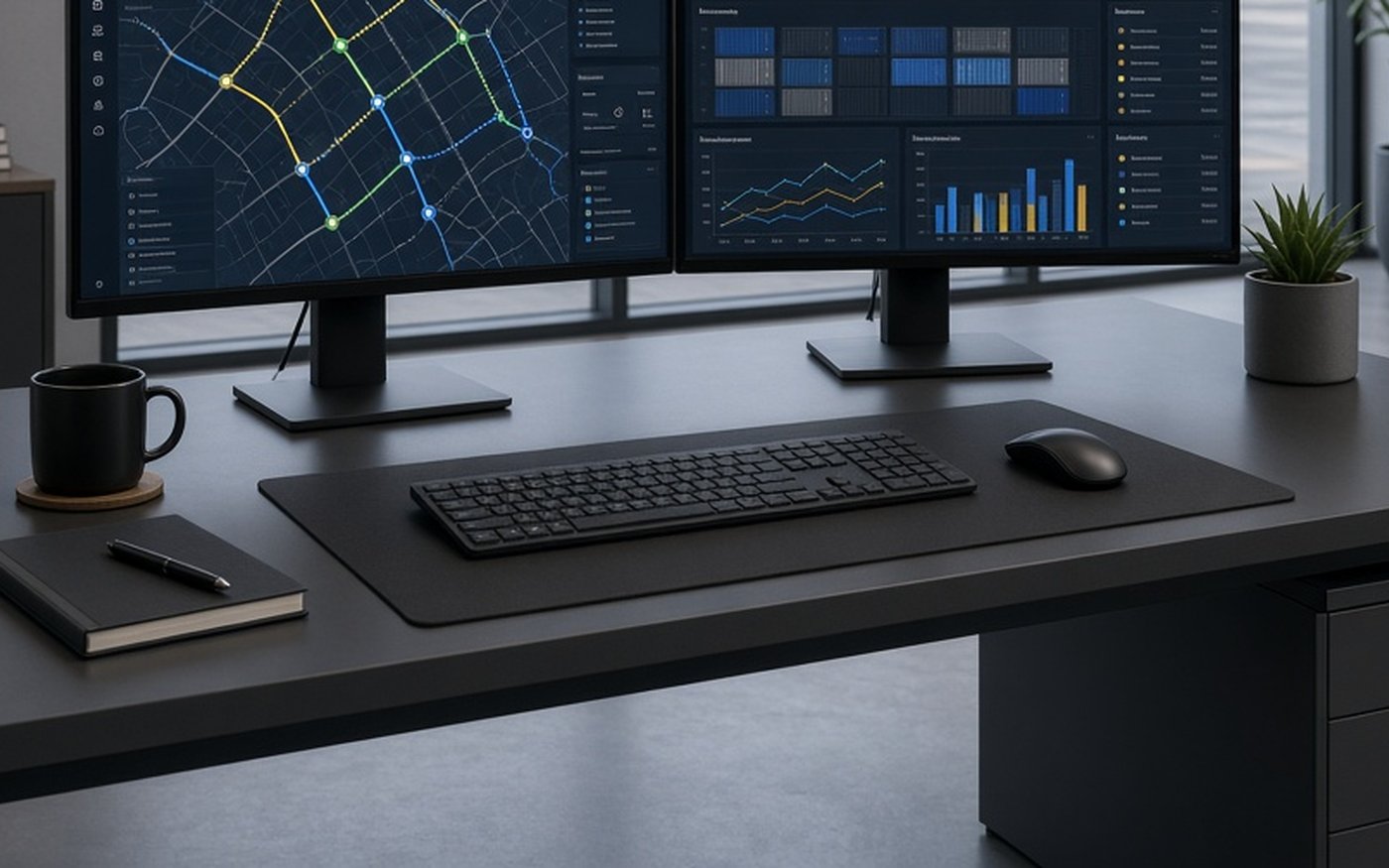
Cologne’s logistics addresses include parks with decent truck access and older sites with tight yards, low trees or restricted daytime windows. Low emission and urban traffic rules can affect the tractor, and some streets are simply the wrong place for a 16.50 m combination. Ask the receiver for a truck route and a gate phone number in German. A driver circling the Inner Ring with a 40-foot high cube is already late.
Do not confuse a Cologne delivery with a Neuss, Leverkusen or Bonn site. Those neighbouring cities are close on a map and far enough in peak traffic to miss a slot. The postcode is mandatory.
A night or very early collection from MPET or Antwerp Gateway (24/5) is often the only comfortable way to protect a late-morning Cologne slot. A right-bank pickup with a limited weekday window plus the Liefkenshoek crossing eats the same buffer. Drivers’ hours must cover arrival, live unload and, if required, the return to an Antwerp empty depot — a round trip of well over 400 kilometres plus two gates.
Same-day empty return to Antwerp after a Cologne unload is possible only with a morning delivery and a depot that still accepts units late afternoon. Many practical plans leave the empty until the next working day; if so, watch the shipping line’s detention clock.
Build the file around these points:
| Topic | Planning note |
|---|---|
| Distance | ca. 210–230 km from Antwerp terminals |
| Clear driving time | ca. 3–4 hours, plus urban approach |
| German mass default | 40 t unless a documented exception applies |
| Site data | Postcode, gate, German-speaking contact |
| Round trip empty to Antwerp | >400 km + gates; often a two-day chassis plan |
| Urban risk | Access windows, height, turning space |
Union goods in free circulation move without a border clearance. Transit documents are required when the cargo is still under customs control. ADR deliveries into an urban German region need a route that respects tunnel codes; do not assume the fastest motorway app is ADR-legal. Flexi Freight publishes a 15 % ADR surcharge; the regulatory file remains with the consignor’s instructions and the appointed driver/vehicle combination.
VGM, exact postcode, window, and any ADR or high-cube height issue. Flexi Freight BV, Beveren: orders@flexifreightbv.com · +32 3 411 14 44.
The one-way drive is often 3–4 hours, so a morning delivery from a pre-dawn Antwerp collection can still be a single-day outbound. The empty back to Antwerp the same day is the part that frequently slips to the next morning.
No. The default remains 40 tonnes. Only qualifying combined-transport (or other specific) cases may use 44 tonnes. Confirm this legally; do not treat ‘container’ as a waiver.
Send the haulier a complete file in English or Dutch if you wish, but the site reference, dock number and contact should work in German at the barrier.
Share postcode, VGM and the delivery window. Waiting time and surcharges are listed on the rates page.
See rates & conditions Request a quote
Slekkenstraat 4
9120 Beveren, Belgium
VAT: BE1025269016
Phone: +32 3 411 14 44
General & quotes: info@flexifreightbv.com
Orders: orders@flexifreightbv.com
Invoicing: invoice@flexifreightbv.com